
- 07 November 2026
- Important days
National Cancer Awareness Day 2026: Emphasizing Awareness on Cancer Prevention, Early Detection, and Effective Treatment
National Cancer Awareness Day is observed in India every year on November 7. It was launched in September 2014 by the then Union Minister for Health and Family Welfare, Dr. Harsh Vardhan. Its primary objective is to increase public awareness regarding cancer risk factors, symptoms, prevention, early detection, and treatment. Historical Significance of November 7: November 7 was chosen for this observance because it marks the birth anniversary of the renowned scientist Marie Curie (born in 1867)....
National Cancer Awareness Day is observed in India every year on November 7. It was launched in September 2014 by the then Union Minister for Health and Family Welfare, Dr. Harsh Vardhan. Its primary objective is to increase public awareness regarding cancer risk factors, symptoms, prevention, early detection, and treatment. Historical Significance of November 7: November 7 was chosen for this observance because it marks the birth anniversary of the renowned scientist Marie Curie (born in 1867). She made significant contributions to the discovery of the elements radium and polonium. Her research on radioactivity laid the scientific foundation for the development of radiotherapy, which is now used in the treatment of cancer. Scientific Overview of Cancer and Key Risk Factors: Cancer is a major type of non-communicable disease (NCD). It occurs when abnormal cells in the body begin to divide uncontrollably, potentially spreading to surrounding tissues and other parts of the body. Key risk factors for cancer include the consumption of tobacco and alcohol, an unhealthy diet, obesity, physical inactivity, air pollution, certain infections, and genetic factors. HPV infection is linked to the risk of cervical cancer, while hepatitis B and C infections are associated with the risk of liver cancer. Importance of Early Detection and Prevention: Timely detection of cancer can increase the chances of successful treatment and help reduce both mortality rates and the economic burden of treatment. In India, the focus at the community health level is primarily on screening for three common types of cancer: oral and neck cancer, breast cancer, and cervical cancer. Avoiding tobacco, maintaining a healthy diet, engaging in regular physical activity, receiving vaccinations against HPV and hepatitis B, and undergoing appropriate medical screenings are crucial for cancer prevention. Key Initiatives by the Government of India: The Government of India implements various programs for the prevention and control of cancer. A major initiative is the National Programme for Prevention and Control of Cancer, Diabetes, Cardiovascular Diseases and Stroke (NPCDCS), launched in 2010, which is now operated under the National Programme for Prevention and Control of Non-Communicable Diseases (NP-NCD). Additionally, under the 'Ayushman Bharat' scheme, 'Ayushman Arogya Mandirs' provide screening, awareness, and primary healthcare services at the community level. The National Health Mission (NHM) also supports the strengthening of services related to cancer prevention, diagnosis, and treatment. Challenges in Cancer Control in India and the Way Forward: Major challenges in cancer control in India include late-stage diagnosis, a lack of specialized medical facilities in rural areas, high treatment costs, a lack of awareness, and unequal access to healthcare services. To address these challenges, it is essential to expand cancer screening and treatment facilities in district hospitals, implement population-based screening, train healthcare personnel, strengthen cancer registries, and increase the availability of palliative care. For effective cancer control, it is crucial to develop an integrated healthcare system that encompasses prevention, early diagnosis, treatment, and rehabilitation.
Read More
- 07 November 2026
- International
Strategic Partnership Between India and Guyana Strengthened; India Announces $500 Million Line of Credit and Cooperation on Digital Payment Systems Like UPI
On November 5, 2026, India’s External Affairs Minister, Dr. S. Jaishankar, met with the President of Guyana, Dr. Mohamed Irfaan Ali, during the 28th Commonwealth Heads of Government Meeting (CHOGM) held in Antigua and Barbuda. The two leaders reviewed the progress made in bilateral relations following Prime Minister Narendra Modi’s visit to Guyana in 2024. They also discussed enhancing cooperation across sectors including trade, investment, energy, agriculture, healthcare, defense, and digital t...
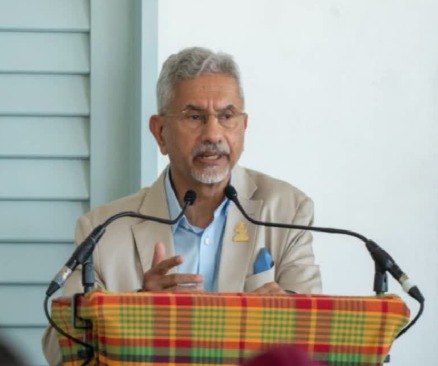
On November 5, 2026, India’s External Affairs Minister, Dr. S. Jaishankar, met with the President of Guyana, Dr. Mohamed Irfaan Ali, during the 28th Commonwealth Heads of Government Meeting (CHOGM) held in Antigua and Barbuda. The two leaders reviewed the progress made in bilateral relations following Prime Minister Narendra Modi’s visit to Guyana in 2024. They also discussed enhancing cooperation across sectors including trade, investment, energy, agriculture, healthcare, defense, and digital technology. Signing of Three Key Agreements: India and Guyana entered into three major agreements to bolster development cooperation. These include an agreement for the supply and establishment of manufacturing projects for Micro and Small Enterprises (MSEs); the provision of Indian grant assistance for the implementation of 'Quick Impact Projects' (QIPs) in Guyana; and an agreement for cooperation in the operation of digital public infrastructure (DPI) and digital payment systems, such as UPI. These initiatives are aimed at fostering local entrepreneurship, creating employment opportunities, and driving digital development.
Line of Credit of 500 Million US Dollars: India has announced a new Line of Credit (LoC) of 500 million US dollars for development and infrastructure-related projects in Guyana. These funds will primarily be utilized for projects in road and transport infrastructure, healthcare services, and the defense sector. A Line of Credit is a financial arrangement under which one country provides credit to another for specific development projects. It differs from a grant, as the loan must be repaid in accordance with stipulated terms and conditions. Digital Payment System (like UPI) in Guyana: India and Guyana have reached an agreement to enhance cooperation in the field of Digital Public Infrastructure and to develop a digital payment system—similar to India’s Unified Payments Interface (UPI)—in Guyana. The UPI was developed by the National Payments Corporation of India (NPCI) and facilitates instant digital payments between various bank accounts. This proposed collaboration will help improve the efficiency of digital transactions, foster financial inclusion, enhance transparency, and expand access to financial services in Guyana. The target is to launch this system in Guyana by the end of 2026. Significance of the 2024 Visit for India-Guyana Relations: Prime Minister Narendra Modi paid a state visit to Guyana from November 19–21, 2024. This marked the first visit by an Indian Prime Minister to Guyana since 1968. During the visit, India and Guyana agreed to strengthen cooperation across several sectors, including energy, agriculture, healthcare, pharmaceuticals, defense, technology, and digital public infrastructure. Prime Minister Modi also participated in the second India-CARICOM Summit. The agreements reached in 2024 are significant in advancing the development cooperation established between the two nations. Geographical and Strategic Importance of Guyana: Guyana is a country located in the northern part of South America. Its capital is Georgetown. It shares borders with Venezuela, Brazil, and Suriname, and the Atlantic Ocean lies to its north. Guyana is a member of the Commonwealth and the Caribbean Community (CARICOM). A large number of people of Indian origin reside there, which strengthens the historical and cultural ties between India and Guyana. Furthermore, due to its vast reserves of oil and natural gas, the country is significant for energy cooperation and for India’s foreign policy regarding the Latin American and Caribbean region.
Read More
Line of Credit of 500 Million US Dollars: India has announced a new Line of Credit (LoC) of 500 million US dollars for development and infrastructure-related projects in Guyana. These funds will primarily be utilized for projects in road and transport infrastructure, healthcare services, and the defense sector. A Line of Credit is a financial arrangement under which one country provides credit to another for specific development projects. It differs from a grant, as the loan must be repaid in accordance with stipulated terms and conditions. Digital Payment System (like UPI) in Guyana: India and Guyana have reached an agreement to enhance cooperation in the field of Digital Public Infrastructure and to develop a digital payment system—similar to India’s Unified Payments Interface (UPI)—in Guyana. The UPI was developed by the National Payments Corporation of India (NPCI) and facilitates instant digital payments between various bank accounts. This proposed collaboration will help improve the efficiency of digital transactions, foster financial inclusion, enhance transparency, and expand access to financial services in Guyana. The target is to launch this system in Guyana by the end of 2026. Significance of the 2024 Visit for India-Guyana Relations: Prime Minister Narendra Modi paid a state visit to Guyana from November 19–21, 2024. This marked the first visit by an Indian Prime Minister to Guyana since 1968. During the visit, India and Guyana agreed to strengthen cooperation across several sectors, including energy, agriculture, healthcare, pharmaceuticals, defense, technology, and digital public infrastructure. Prime Minister Modi also participated in the second India-CARICOM Summit. The agreements reached in 2024 are significant in advancing the development cooperation established between the two nations. Geographical and Strategic Importance of Guyana: Guyana is a country located in the northern part of South America. Its capital is Georgetown. It shares borders with Venezuela, Brazil, and Suriname, and the Atlantic Ocean lies to its north. Guyana is a member of the Commonwealth and the Caribbean Community (CARICOM). A large number of people of Indian origin reside there, which strengthens the historical and cultural ties between India and Guyana. Furthermore, due to its vast reserves of oil and natural gas, the country is significant for energy cooperation and for India’s foreign policy regarding the Latin American and Caribbean region.
- 07 November 2026
- Sci - tech
JNCASR Scientists Develop Terahertz Silicon Chip, Paving the Way for 100 Gbps Data Transfer in 6G Communication
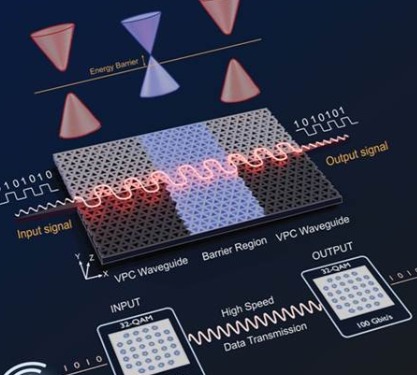
Scientists at the Jawaharlal Nehru Centre for Advanced Scientific Research (JNCASR) in Bengaluru have developed a unique silicon chip that allows terahertz (THz) waves to navigate through artificial barriers and sharp bends with extremely low signal loss. In laboratory tests, this technology enabled a data transfer rate of up to 100 gigabits per second (Gbps). This breakthrough could facilitate the development of compact, high-speed photonic circuits essential for future 6G communication systems...
Scientists at the Jawaharlal Nehru Centre for Advanced Scientific Research (JNCASR) in Bengaluru have developed a unique silicon chip that allows terahertz (THz) waves to navigate through artificial barriers and sharp bends with extremely low signal loss. In laboratory tests, this technology enabled a data transfer rate of up to 100 gigabits per second (Gbps). This breakthrough could facilitate the development of compact, high-speed photonic circuits essential for future 6G communication systems. Topological Photonics and Photonic Klein Tunneling: The research employs "topological photonics"—a branch of science that focuses on controlling the propagation of light and electromagnetic waves by manipulating the structure of the material through which they travel. Scientists have created a honeycomb pattern of triangular holes within a silicon photonic crystal. Through this structure, terahertz waves are guided along its boundaries. The waves are able to pass through artificially created barriers with minimal energy loss. This phenomenon is known as "photonic Klein tunneling," which is inspired by the Klein tunneling effect found in quantum physics. Key Experimental Results: Researchers developed three types of devices using high-resistivity silicon. Data transfer rates of 48 Gbps were achieved with a double-barrier device, 60 Gbps with an omega-shaped device, and 100 Gbps with a power splitter. A signal loss of approximately 1–2% was recorded when passing through a single artificial barrier, while a loss of about 2–3% was observed when passing through two consecutive barriers. The experiments were conducted within a frequency range of 310–360 GHz. The power splitter utilized QAM-32 (Quadrature Amplitude Modulation) technology, which encodes data by varying the amplitude and phase of the signal. Terahertz Waves and Their Characteristics: Terahertz waves are a portion of the electromagnetic spectrum situated between microwaves and infrared radiation. Their typical frequency range is considered to be approximately 0.1–10 THz. Due to their high frequency, they possess the capacity to provide very large bandwidth. They have potential applications in future wireless communication, medical imaging, spectroscopy, sensing, and scientific research. However, challenges such as signal scattering, reflection, and atmospheric absorption hinder their practical implementation.
Significance for Future 6G Technology: This research could prove useful in developing high-speed communication circuits for future 6G networks. The efficient manipulation of terahertz waves enables the development of systems with higher data capacity, reduced signal loss, and compact photonic devices. Given its silicon-based structure, it has the potential to be integrated into existing semiconductor manufacturing processes. In the future, it may also be possible to alter the path of a signal by controlling obstacles through electrical, thermal, or mechanical means. However, as this research is currently at the laboratory stage, it should not be inferred that 6G wireless services with speeds of 100 Gbps are currently available to consumers. Research Institution and Scientific Collaboration: This research was conducted at the Jawaharlal Nehru Centre for Advanced Scientific Research (JNCASR), Bengaluru—an autonomous institution under the Department of Science and Technology (DST), Government of India. The study was led by Dr. Abhishek Kumar, head of the MetaOptics Laboratory. Samina Mulla and Sangram Kumar Sadhu are the co-first authors of this research. The project also involved collaborations with scientists from IISER Kolkata, IIT Bombay, A*STAR (Singapore), as well as the University of Lille and CNRS (France). The research paper was published on October 11, 2026, in the prestigious journal ‘Advanced Materials’.
Read More
Significance for Future 6G Technology: This research could prove useful in developing high-speed communication circuits for future 6G networks. The efficient manipulation of terahertz waves enables the development of systems with higher data capacity, reduced signal loss, and compact photonic devices. Given its silicon-based structure, it has the potential to be integrated into existing semiconductor manufacturing processes. In the future, it may also be possible to alter the path of a signal by controlling obstacles through electrical, thermal, or mechanical means. However, as this research is currently at the laboratory stage, it should not be inferred that 6G wireless services with speeds of 100 Gbps are currently available to consumers. Research Institution and Scientific Collaboration: This research was conducted at the Jawaharlal Nehru Centre for Advanced Scientific Research (JNCASR), Bengaluru—an autonomous institution under the Department of Science and Technology (DST), Government of India. The study was led by Dr. Abhishek Kumar, head of the MetaOptics Laboratory. Samina Mulla and Sangram Kumar Sadhu are the co-first authors of this research. The project also involved collaborations with scientists from IISER Kolkata, IIT Bombay, A*STAR (Singapore), as well as the University of Lille and CNRS (France). The research paper was published on October 11, 2026, in the prestigious journal ‘Advanced Materials’.
- 07 November 2026
- States in news
Chhattisgarh Legislative Assembly to Become a ‘Zero-Paper’ House; Full Digitization via NeVA
As part of the Central Government’s ‘Digital India’ initiative, the Chhattisgarh Legislative Assembly will be transitioned into a fully digital, ‘zero-paper’ assembly using the National e-Vidhan Application (NeVA). The process is targeted for completion within three months. The goal is to eliminate the use of paper in assembly proceedings, thereby making legislative processes more transparent, effective, and accessible. Key Features of a ‘Zero-Paper’ Assembly: Under this project, tablets and oth...
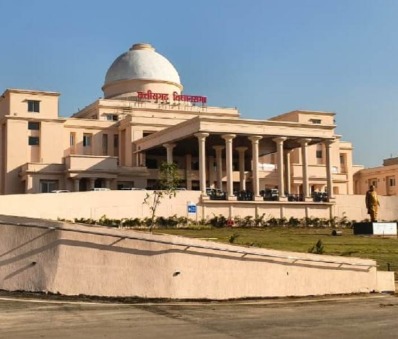
As part of the Central Government’s ‘Digital India’ initiative, the Chhattisgarh Legislative Assembly will be transitioned into a fully digital, ‘zero-paper’ assembly using the National e-Vidhan Application (NeVA). The process is targeted for completion within three months. The goal is to eliminate the use of paper in assembly proceedings, thereby making legislative processes more transparent, effective, and accessible. Key Features of a ‘Zero-Paper’ Assembly: Under this project, tablets and other digital devices will be installed at the seat of every legislator (MLA). Legislators will be able to access questions, notices, agendas, bills, discussion-related documents, and other parliamentary records electronically. The assembly’s dedicated application will also be upgraded. This will reduce the need for printing questions and documents, as well as the reliance on physical paper files, enabling the assembly to function as an ‘e-Chamber.’ Implementing Agencies: The Chhattisgarh Infotech Promotion Society (CHiPS) will act as the nodal agency for this project and oversee its technical implementation. The National Informatics Centre (NIC) will provide technical and digital support, while NIC Services Incorporated (NICSI) will assist with information technology services. A Memorandum of Understanding (MoU) has also been executed between the Union Ministry of Parliamentary Affairs, the Government of Chhattisgarh, and the Legislative Assembly Secretariat for this project. Introduction to the National e-Vidhan Application (NeVA): NeVA is a Mission Mode Project (MMP) implemented by the Ministry of Parliamentary Affairs under the 'Digital India' program. Its objective is to connect all State Legislative Assemblies and the Legislative Assemblies of Union Territories across the country onto a single digital platform. It is based on the concept of 'One Nation, One Application.' Through this, legislative proceedings are being made paperless, integrated, and digital. Key Features of NeVA: Through this application, legislators can submit Starred Questions, Unstarred Questions, Calling Attention Notices, and other types of notices online. Additionally, bills, agendas, bulletins, committee reports, and other legislative documents are made available in digital format. Government departments can also submit responses to questions electronically. Legislators, Legislative Assembly Secretariat staff, and relevant officials are provided with training on how to operate the system. Citizens and the media can also access information regarding legislative activities through a public portal. Significance and Potential Benefits: The digitization of the Legislative Assembly through NeVA will enhance administrative efficiency, transparency, and accountability. Reducing paper consumption will contribute to environmental protection and the conservation of natural resources. Furthermore, it will facilitate the secure maintenance of digital records, ensure quick access to information, improve coordination among legislators, and encourage citizen participation in the legislative process. This initiative represents a significant step toward digital governance and the modernization of legislative institutions.
Read More
- 07 November 2026
- Banking
NPCI Establishes NPCI Tech Solutions Limited (NTSL) to Promote AI and Blockchain Technology
The National Payments Corporation of India (NPCI) has established a wholly-owned subsidiary, NPCI Tech Solutions Limited (NTSL). The announcement was made by NPCI on November 4, 2026. The objective is to move beyond traditional retail payment services and develop technical capabilities in the fields of Artificial Intelligence (AI), blockchain, digital financial services, and Digital Public Infrastructure (DPI). Appointment of Vishal Kanvaty: NPCI has appointed its Chief Technology Officer (CTO),...
The National Payments Corporation of India (NPCI) has established a wholly-owned subsidiary, NPCI Tech Solutions Limited (NTSL). The announcement was made by NPCI on November 4, 2026. The objective is to move beyond traditional retail payment services and develop technical capabilities in the fields of Artificial Intelligence (AI), blockchain, digital financial services, and Digital Public Infrastructure (DPI). Appointment of Vishal Kanvaty: NPCI has appointed its Chief Technology Officer (CTO), Vishal Kanvaty, as the Managing Director (MD) and Chief Executive Officer (CEO) of NPCI Tech Solutions Limited. He has been associated with NPCI since 2017 and assumed the role of CTO in April 2023. Prior to this, he led initiatives related to the development and commercialization of the market innovation portfolio. Key Focus Areas of NTSL: The primary objective of the new company is to develop emerging technologies for the NPCI group. Its key areas of operation include Artificial Intelligence (AI), blockchain technology, digital financial infrastructure, Global Capability Center (GCC) services, and digital public infrastructure. Additionally, it will develop technical capabilities for digital initiatives such as the eKYC 'setu' (bridge) and the Unified Ticketing Platform (UTP). NPCI’s Fourth Wholly-Owned Subsidiary: NTSL has been established as the fourth wholly-owned subsidiary of the NPCI. Its other three major subsidiaries are: NPCI International Payments Limited (NIPL), which focuses on the international expansion of UPI and RuPay; NPCI Bharat BillPay Limited (NBBL), which operates the Bharat Bill Payment System (BBPS); and NPCI BHIM Services Limited (NBSL), which manages services related to the BHIM app. The establishment of NTSL has received approval from the NPCI Board and the Reserve Bank of India (RBI). Introduction to NPCI and Key Payment Systems: The National Payments Corporation of India (NPCI) was established in 2008 through an initiative by the Reserve Bank of India (RBI) and the Indian Banks' Association (IBA). It serves as the primary organization for operating retail payment and settlement systems in India and functions as a non-profit company. Its key digital payment platforms and services include the Unified Payments Interface (UPI), RuPay, Immediate Payment Service (IMPS), National Automated Clearing House (NACH), National Electronic Toll Collection (NETC), Aadhaar Enabled Payment System (AePS), and e-RUPI. Significance in India’s Digital Economy: The establishment of NTSL marks a significant step toward advancing India’s digital payment ecosystem through the integration of new technologies. AI can help in identifying payment fraud, while blockchain can facilitate secure digital transactions, and digital public infrastructure can enhance both access to and the efficiency of financial services. These advancements can strengthen financial inclusion, the digital economy, and technological innovation, as well as bolster India’s digital public infrastructure model.
Read More

- 07 November 2026
- Awards
Nirmala Lakshman Wins Sharjah’s Best International Non-Fiction Book Award 2026 for ‘The Tamils: A Portrait of a Community’
Indian author, journalist, and director of The Hindu Group, Nirmala Lakshman, has been honored with the 2026 Sharjah Award for ‘Best International Non-Fiction Book’ for her work, ‘The Tamils: A Portrait of a Community.’ The award was presented on November 4, 2026, by Sheikha Bodour bint Sultan Al Qasimi, Chairperson of the Sharjah Book Authority, at a ceremony held in Sharjah, United Arab Emirates (UAE). About the Award-Winning Book: ‘The Tamils: A Portrait of a Community,’ published by Aleph Bo...
Indian author, journalist, and director of The Hindu Group, Nirmala Lakshman, has been honored with the 2026 Sharjah Award for ‘Best International Non-Fiction Book’ for her work, ‘The Tamils: A Portrait of a Community.’ The award was presented on November 4, 2026, by Sheikha Bodour bint Sultan Al Qasimi, Chairperson of the Sharjah Book Authority, at a ceremony held in Sharjah, United Arab Emirates (UAE). About the Award-Winning Book: ‘The Tamils: A Portrait of a Community,’ published by Aleph Book Company in January 2025, provides a comprehensive analysis of the Tamil community’s centuries-old history, social structure, literature, politics, religion, arts, traditions, and cultural identity. The book also examines the global influence of the Tamil community and its cultural reach that extends well beyond geographical boundaries.
Sharjah International Book Fair (SIBF): The Sharjah International Book Fair is held annually in Sharjah, United Arab Emirates, and is organized by the Sharjah Book Authority. Its 45th edition is scheduled to take place from November 4 to 15, 2026, at the Expo Centre Sharjah. This book fair serves as a premier platform for dialogue and cultural exchange within the global literary and publishing landscape, bringing together authors and readers. Award Categories at the Sharjah International Book Fair: Awards are presented to international books across two primary categories. The first category, ‘Best International Fiction Book,’ honors outstanding works of fiction published in English. The second category, ‘Best International Non-Fiction Book,’ recognizes exceptional non-fiction works covering subjects such as history, society, politics, culture, and more. Prize Money and Distribution: Winners in each category of the Sharjah International Book Fair awards receive a prize of 50,000 UAE Dirhams (AED). This amount is typically divided equally between the author and the publisher, with the actual distribution determined by the terms of the relevant publishing contract and intellectual property rights (IPR) agreements. Historical and Cultural Significance of the Tamil Community: The Tamil language belongs to the Dravidian language family. It is one of the 22 languages included in the Eighth Schedule of the Constitution of India. In 2004, Tamil was granted the status of India’s first ‘Classical Language.’ The ancient history of the Tamil language and literature is rooted in Sangam literature. Beyond India, the cultural heritage of the Tamil community is also widely present in countries such as Sri Lanka, Malaysia, Singapore, and various other nations across the globe.
Read More
Sharjah International Book Fair (SIBF): The Sharjah International Book Fair is held annually in Sharjah, United Arab Emirates, and is organized by the Sharjah Book Authority. Its 45th edition is scheduled to take place from November 4 to 15, 2026, at the Expo Centre Sharjah. This book fair serves as a premier platform for dialogue and cultural exchange within the global literary and publishing landscape, bringing together authors and readers. Award Categories at the Sharjah International Book Fair: Awards are presented to international books across two primary categories. The first category, ‘Best International Fiction Book,’ honors outstanding works of fiction published in English. The second category, ‘Best International Non-Fiction Book,’ recognizes exceptional non-fiction works covering subjects such as history, society, politics, culture, and more. Prize Money and Distribution: Winners in each category of the Sharjah International Book Fair awards receive a prize of 50,000 UAE Dirhams (AED). This amount is typically divided equally between the author and the publisher, with the actual distribution determined by the terms of the relevant publishing contract and intellectual property rights (IPR) agreements. Historical and Cultural Significance of the Tamil Community: The Tamil language belongs to the Dravidian language family. It is one of the 22 languages included in the Eighth Schedule of the Constitution of India. In 2004, Tamil was granted the status of India’s first ‘Classical Language.’ The ancient history of the Tamil language and literature is rooted in Sangam literature. Beyond India, the cultural heritage of the Tamil community is also widely present in countries such as Sri Lanka, Malaysia, Singapore, and various other nations across the globe.

- 07 November 2026
- Awards
Edmund Richardson Wins 2026 Baillie Gifford Prize for Non-Fiction for ‘Alexander: God, King, Man’
British historian and Professor of Classics, Edmund Richardson, was awarded the 2026 Baillie Gifford Prize for Non-Fiction at a ceremony held in London on November 4, 2026. He received the honor for his book, ‘Alexander: God, King, Man,’ which comes with a cash prize of £50,000 (approximately 67,000 US dollars). The Award-Winning Book: ‘Alexander: God, King, Man’ is published by Bloomsbury Publishing. The book offers a historical analysis of Alexander the Great’s military campaigns, political an...
British historian and Professor of Classics, Edmund Richardson, was awarded the 2026 Baillie Gifford Prize for Non-Fiction at a ceremony held in London on November 4, 2026. He received the honor for his book, ‘Alexander: God, King, Man,’ which comes with a cash prize of £50,000 (approximately 67,000 US dollars). The Award-Winning Book: ‘Alexander: God, King, Man’ is published by Bloomsbury Publishing. The book offers a historical analysis of Alexander the Great’s military campaigns, political and personal life, and the expansion of his empire. The author presents an account of Alexander’s life by drawing upon historical sources, archaeological discoveries, genetic research, and modern technology.
A Historic Milestone for the Award: For the first time in the history of this award—established in 1999—a book based on ancient history has been selected as the winner. The book was chosen from over 350 eligible entries. The jury for the award was chaired by British journalist Kirsty Lang. History and Features of the Baillie Gifford Prize: The award was established in 1999 as the ‘Samuel Johnson Prize.’ In 2016, following the commencement of sponsorship by the investment management firm Baillie Gifford, it was renamed the ‘Baillie Gifford Prize for Non-Fiction.’ The award recognizes outstanding non-fiction literature published in the English language, covering subjects such as history, politics, science, current affairs, sports, travel, biography, and the arts. It is open to authors of any nationality. Alexander the Great’s Connection to Indian History: Alexander the Great was a ruler of ancient Macedonia. He was born in 356 BCE in Pella (Macedonia). He was the son of King Philip II of Macedonia and Olympias, and was tutored by the great Greek philosopher Aristotle. In 326 BCE, during his invasion of the Indian subcontinent, he fought the Battle of the Hydaspes against King Porus on the banks of the Jhelum River. Although Alexander emerged victorious, he was so impressed by the courage and martial skill of Porus that he returned his kingdom to him. Alexander died in Babylon in 323 BCE at the age of 32.
Other key facts and the 2025 winner: In addition to the winning book, five other titles were shortlisted for the 2026 award: *London Falling* by Patrick Radden Keefe, *Baldwin: A Love Story* by Nicholas Boggs, *The Great Dictator* by Matthew Sweet, *Days of Love and Rage* by Anand Gopal, and *The Traveller* by Andrea Wulf. In 2025, the award was presented to Australian author Helen Garner for her book *How to End a Story: Collected Diaries*.
Read More
A Historic Milestone for the Award: For the first time in the history of this award—established in 1999—a book based on ancient history has been selected as the winner. The book was chosen from over 350 eligible entries. The jury for the award was chaired by British journalist Kirsty Lang. History and Features of the Baillie Gifford Prize: The award was established in 1999 as the ‘Samuel Johnson Prize.’ In 2016, following the commencement of sponsorship by the investment management firm Baillie Gifford, it was renamed the ‘Baillie Gifford Prize for Non-Fiction.’ The award recognizes outstanding non-fiction literature published in the English language, covering subjects such as history, politics, science, current affairs, sports, travel, biography, and the arts. It is open to authors of any nationality. Alexander the Great’s Connection to Indian History: Alexander the Great was a ruler of ancient Macedonia. He was born in 356 BCE in Pella (Macedonia). He was the son of King Philip II of Macedonia and Olympias, and was tutored by the great Greek philosopher Aristotle. In 326 BCE, during his invasion of the Indian subcontinent, he fought the Battle of the Hydaspes against King Porus on the banks of the Jhelum River. Although Alexander emerged victorious, he was so impressed by the courage and martial skill of Porus that he returned his kingdom to him. Alexander died in Babylon in 323 BCE at the age of 32.
Other key facts and the 2025 winner: In addition to the winning book, five other titles were shortlisted for the 2026 award: *London Falling* by Patrick Radden Keefe, *Baldwin: A Love Story* by Nicholas Boggs, *The Great Dictator* by Matthew Sweet, *Days of Love and Rage* by Anand Gopal, and *The Traveller* by Andrea Wulf. In 2025, the award was presented to Australian author Helen Garner for her book *How to End a Story: Collected Diaries*.

- 07 November 2026
- Sports
Cristiano Ronaldo Announces Retirement from International Football, Ending a Historic 23-Year Journey
On November 5, 2026, Cristiano Ronaldo announced his retirement from the Portugal national football team via social media. This marks the end of his 23-year international career, which began in August 2003. He has decided to hand over his iconic number 7 jersey to the team following the international break in November 2026. International Records: Ronaldo played a total of 234 international matches for Portugal, scoring 146 goals. He holds the record for both the most appearances and the most goa...
On November 5, 2026, Cristiano Ronaldo announced his retirement from the Portugal national football team via social media. This marks the end of his 23-year international career, which began in August 2003. He has decided to hand over his iconic number 7 jersey to the team following the international break in November 2026. International Records: Ronaldo played a total of 234 international matches for Portugal, scoring 146 goals. He holds the record for both the most appearances and the most goals scored in the history of men’s international football—achievements that underscore his extraordinary legacy in the sport. Major International Achievements: Under Ronaldo’s leadership, Portugal won the UEFA European Football Championship (UEFA Euro) for the first time in 2016. Additionally, Portugal secured the UEFA Nations League title in both 2019 and 2025.
Achievement in the FIFA World Cup: Ronaldo became the first male footballer to play in six editions of the FIFA World Cup, spanning from 2006 to 2026. He also scored goals in each of these six editions, becoming the first player in World Cup history to achieve this feat. In the 2026 World Cup, he scored three goals. Significance of the No. 7 Jersey: Throughout his international career, Ronaldo wore Portugal’s iconic No. 7 jersey. This jersey became a key symbol of his global identity. In his farewell message, he stated that wearing this jersey for 23 years was both an honor and a responsibility, and that the time had come to pass it on to future players. Life After Retirement and Contribution to the Sporting World: Despite retiring from international football, Ronaldo will continue to play club football. He is currently associated with the Saudi Arabian club Al-Nassr. His career stands as a remarkable example of individual achievement, leadership, consistent performance, and dedication to the national team within the realm of international sports.
Read More
Achievement in the FIFA World Cup: Ronaldo became the first male footballer to play in six editions of the FIFA World Cup, spanning from 2006 to 2026. He also scored goals in each of these six editions, becoming the first player in World Cup history to achieve this feat. In the 2026 World Cup, he scored three goals. Significance of the No. 7 Jersey: Throughout his international career, Ronaldo wore Portugal’s iconic No. 7 jersey. This jersey became a key symbol of his global identity. In his farewell message, he stated that wearing this jersey for 23 years was both an honor and a responsibility, and that the time had come to pass it on to future players. Life After Retirement and Contribution to the Sporting World: Despite retiring from international football, Ronaldo will continue to play club football. He is currently associated with the Saudi Arabian club Al-Nassr. His career stands as a remarkable example of individual achievement, leadership, consistent performance, and dedication to the national team within the realm of international sports.